

Things to Do on Vis Island, Places to See & How to Get There
November 26, 2025
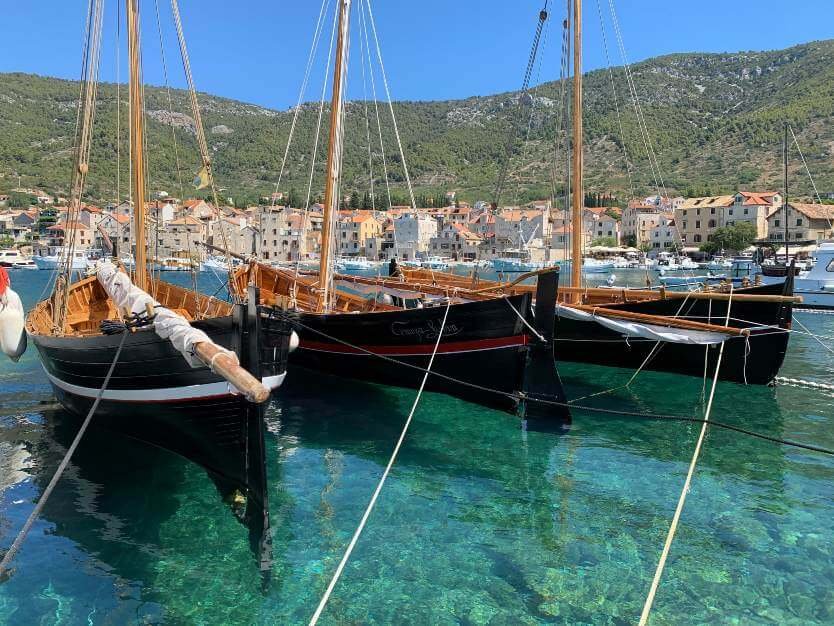
Vis is often called “a mysterious island”, and only after you visit it, you’ll understand why.
It’s said to be one of the oldest, if not the oldest, settlements in Croatia, populated by Illyrians two millennia ago, before Greeks from Syracuse came around 397 BC and made it an important trade port. The ancient name for Vis was Issa.
Today, it is one of the most popular tourist destinations in Croatia for locals and foreigners, but it has not yet become mainstream like Hvar. The reason for that is probably that it was an important military base, closed to foreigners until 1989. If you are looking for a quieter location where you can find the natural shade of a pine forest without the need to buy an overpriced drink or rent a parasol, even in the middle of the season, Vis Island is the perfect choice.
Here’s our ultimate guide for the Island of Vis.
Top things to do on Vis Island
The island is known for its rich cultural and historical heritage, and here you can enjoy visiting the ancient city of Issa, located near Issa Hills Villa, discover traces of the former Yugoslav period when the island had great military significance, or simply enjoy unspoiled nature, wine, and water sports. Below we list the top 7 things you simply must do while visiting Vis, and later you can learn more about each place, including how to get there and practical tips.
1. Old town Vis – things to do
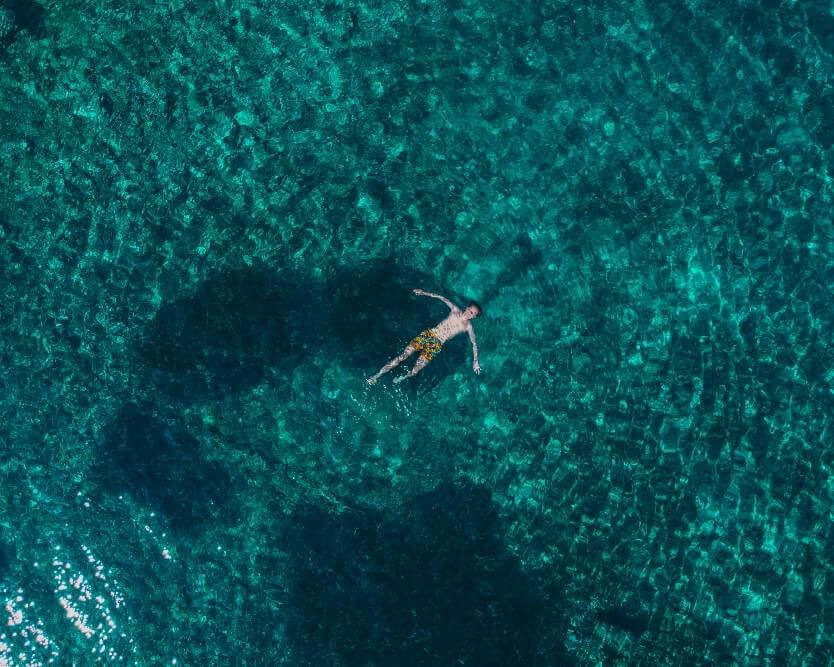
Start your visit in the oldest urban settlement in Croatia, where you can see remains of ancient Issa, walk along the waterfront, and explore the Kut district with stone houses from the Venetian period. It’s ideal for getting to know the basics about the island’s history and cultural heritage.
2. Komiža – things to do
Komiža is a small fishing town on the western side of the island, known for its traditional boats, local customs, and relaxed atmosphere. It is also the main departure point for boat trips to Biševo and the Blue Cave.
3. Go diving
Vis is considered one of the best diving locations in the Adriatic due to clear waters, underwater caves, reefs, and several shipwrecks from different historical periods. The island has 5 local diving centres that offer programs for beginners and experienced divers.
4. Visit the most famous Dalmatian caves
Two natural highlights near Vis are the Blue Cave on Biševo Island and Green Cave on Ravnik Island. Both are accessible by boat and known for unique light effects created by sunlight entering the caves.
5. Organise a military tour of Vis
Vis was a military base during the Yugoslav era and closed to foreigners for decades, which is a part of its today’s charm and feeling of exclusivity. Guided tours are a perfect way to learn more about Yugoslavia and visit exciting underground tunnels, shelters, and former army facilities.
6. Go wine tasting & discover local cuisine
Vis has a long winemaking tradition. While here, don’t miss a chance to try white Vugava and red Plavac Mali varieties. Wine tastings are usually paired with simple, traditional dishes such as fresh fish, olive oil, and locally produced specialties.
7. Enjoy beautiful beaches
The island offers diverse beaches ranging from pebble and rocky coves to a few sandy ones. Many are surrounded by pine forest and best reached on foot or by boat, making them suitable for travellers seeking quieter swimming spots and a clear sea.
Must-see natural attractions in Vis
Stiniva cove
This cove is known for having one of the best beaches in Croatia, which was even declared the best beach in all of Europe multiple times. It’s located in the southern part of the island, and it’s secluded.
A narrow “gate” leads into a calm, turquoise lagoon with small pebbles and incredibly clear water, and it can be reached by boat or by a steep path. Many divers choose it because of the incredibly interesting and diverse underwater world, and it is also home to some endemic species.
Srebrna Beach
Srebrna is located on the southern coast of Vis, near Rukavac, and is known for its white stone pebbles that create a silvery glow in the evening. That’s how it got its name. It is surrounded by dense pine trees, so it has natural shade, and the sea here is extremely clean and calm, so it’s often cited as one of the most beautiful beaches for families and longer swimming on Vis.
Zaglav Beach
Zaglav is located a few minutes’ walk from Srebrna beach and is one of the few real sandy beaches here. It is known for its soft, light sand and shallow sea that gradually deepens, which makes it excellent for kids. It cannot be reached by car, but only on foot (a 15-minute walk) or by boat. This “inaccessibility” contributes to its peace, and it keeps it less crowded during the season.
Green Cave (Zelena špilja)
Green Cave is a medium-difficulty cave for divers, with a depth ranging from 0 to 35 meters, but it is also accessible by boat, and swimming inside is allowed. It’s located near the islet of Ravnik, on the southern side of Vis, and is known for a natural opening at the top of the cave through which sunlight enters and creates a green reflection in the water.
Blue Cave (Modra špilja), Biševo
Unlike Green Cave, diving in the Blue Cave is forbidden, but it’s still a really popular destination for a half-day cruise, and tourists from all over the world like to visit this cave during their stay. Located in a small bay known as Balun, on the eastern side of Biševo Island, it’s roughly 4.5 nautical miles (about 8 km) from Komiža, approximate sail duration is around 15–20 min. Some boats sail there every day from Komiža during the season.
There are also organized boat tours from the town of Vis, but the boat first stops in Komiža, because entering the cave is always done via official boats from Komiža (due to entrance control and site protection). From the Vis town, it takes around 45–60 minutes to get to the Blue Cave.
Mount Hum Viewpoint
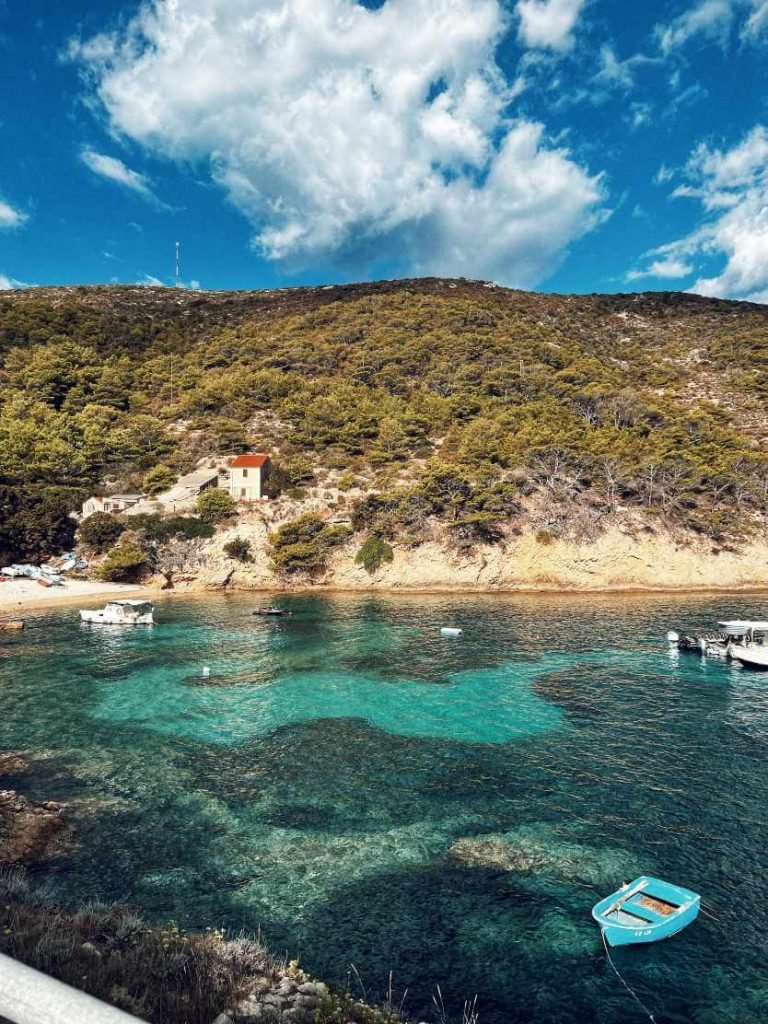
Vis is a hilly island, and its highest point is Hum, 587 m above sea level. The climb to the top is popular with tourists who like easy to moderately demanding hiking, and the trail is well-marked. It’s a perfect opportunity to enjoy the beautiful scenery along the way and take magnificent photos. The Mount Hum viewpoint is located above Komiža, on the western side of the island, and there’s no better place for enjoying a sunset.
History & culture attractions of Vis
Ancient city of Issa
Issa was a Greek colony founded around 397 BC. by the Greeks from Syracuse and is considered the oldest urban settlement in Croatia, but it is important to note that these areas were inhabited by the Illyrians much earlier.
The remains of ancient Issa are located near the present-day town of Vis, primarily on the Prirovo peninsula, where traces of Roman baths and theaters from the later period can also be seen.
Issa had an important trading and maritime role in the Adriatic, and parts of the ramparts, necropolises, and archaeological finds from the Hellenistic and Roman periods are preserved in the Archaeological Collection in Vis.
Fort George, British and Austrian heritage
Fort George was built in 1812 during the period when the island was under British administration, as part of the defense system against the French during the Napoleonic Wars. The British considered Vis a key strategic position on the Adriatic, and during their stay, they also introduced cricket to the Croats.
Later, in the 19th century, Austria expanded and further fortified more structures on the island. Today, Fort George is one of the best-preserved examples of British military architecture in the Adriatic and is used for various events.
Fortress ‘Komuna’ in Komiža
Fortress Komuna (1595) is one of the most recognizable historical buildings in Komiža. It was built as a defense against the frequent attacks of Turks and pirates, and the construction was financed, along with the Venetian administration, by fishermen from Komiža, as evidenced by an inscription from 1592 on the northern wall.
During the British administration at the beginning of the 19th century, a small English crew was housed here, and later the building served as the municipal headquarters, hence the name “Commune”.
Spomenici i lokaliteti iz perioda Jugoslavije
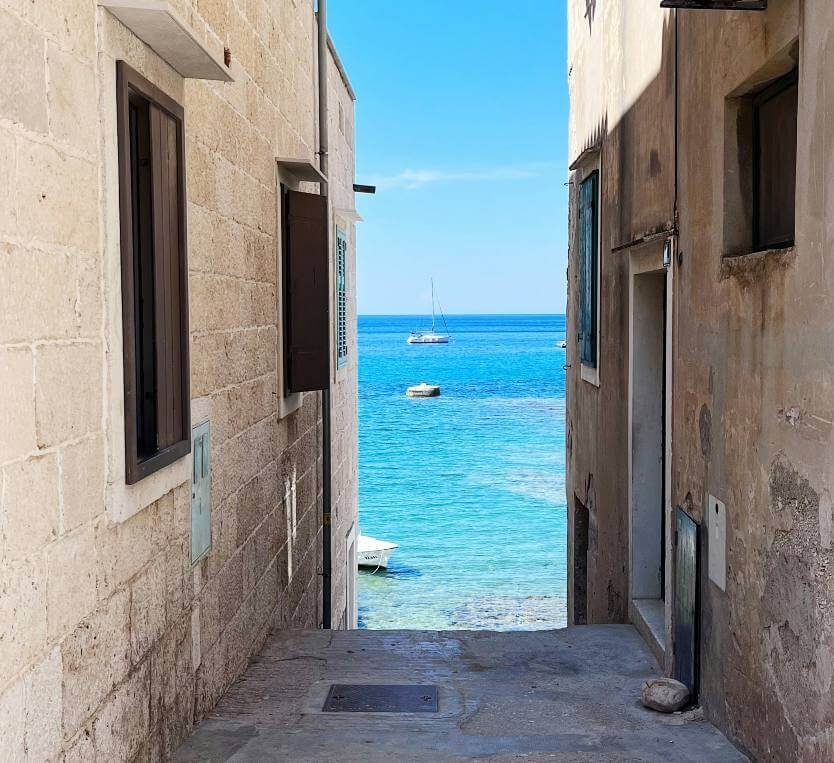
From 1944 to 1992, Vis had the status of a closed military island and was a strategic base of the Yugoslav Navy. The island has a network of underground tunnels, shelters, and military facilities, including an underground torpedo boat tunnel at Parja, artillery batteries, command posts, and radar stations.
“Tito’s Cave” on Hum Hill was used in 1944 as a temporary shelter for Josip Broz Tito and the NOVJ Supreme Staff. Today, the network of military facilities is one of the most visited historical sites on the island.
Best museums & cultural spots
Archaeological Collection in Vis (Gospodarska Kasarna Fort) – Houses artefacts from ancient Issa: more than 600 amphorae, Greek and Roman pottery, coins, and items recovered from shipwrecks.
Fishermen’s Museum in Komiža – Dedicated to Komiža’s fishing heritage, the collection contains traditional tools, equipment, and the famous falkuša wooden boat.
Church of St. Nicholas (Komiža) – Church of the patron saint of fishermen; an important symbol of local maritime traditions and customs.
Vis Cultural Summer (Viško ljeto) – A cultural festival held in July and August, featuring theatre performances, concerts, exhibitions, and open-air events across the island.
Rota Palagruzona – A traditional regatta of Komiža’s falkuša boats to Palagruža, which revives historic fishing routes and maritime customs.
What food to try on Vis Island?
The most popular traditional local dish on the Island of Vis is Viška pogača (salted sardine and onion flatbread), and there is also a modern variation, Komiška pogača (a similar savory dish but with added tomato).
Dishes prepared “ispod peke” (under a bell), worth trying are octopus and lamb. You also won’t regret ordering fresh grilled fish and seafood almost anywhere because it’s caught daily and professionally made.
The most common fish and their local names are:
- grilled sea bass – Brancin;
- red scorpionfish – Škarpina;
- dentex – Zubatac;
- and sea bream – Orada.
It doesn’t hurt to know the local names because, although popular, this island still hasn’t become a victim of mass tourism, and you may end up in a small konoba with no menu or with a host who doesn’t speak English very well.
Where to eat?
When it comes to food, Vis offers a more refined dining experience. Here you will find a selection of fancy restaurants with local dishes, but also international ones if you don’t feel like experimenting.
Komiža, on the other hand, is all about authentic, traditional cuisine. It’s a perfect place to give fresh fish a try, even if you usually don’t eat it. Trust us, you won’t regret it. Most of the konobas here are small family businesses, and they offer simple menus but with delicious seafood dishes. The atmosphere is really laid-back. Read our blog to find out where to eat on Vis Island based on Google and TripAdvisor reviews.
Nightlife in Vis Island
Vis Island is not known for large clubs and music festivals like some other Croatian destinations, but there are some truly popular bars and pubs, usually open until two o’clock during the season.
According to Tripadvisor, the best places to have a drink and listen to live music or a DJ set are Lambik Lounge, Bejbi Bar Vis, and Beach Bar Lučica. Shots and cocktails here are great, but we also recommend giving local wine a chance.
How to get to Vis Island?
To get to Vis Island, you must take a ferry or catamaran from Split. There is no airport on the island, and the fastest way is to fly to Split Airport.
The car ferry usually departs three times a day during the summer and takes about 2 hours and 20 minutes. On Tuesdays, it sails only two times. The ferry line to Vis is 602. You can also catch a ferry from Hvar and from Milna (Brač).
A faster way to transfer is by catamaran (line 9602), which takes about 1 hour and 20 minutes. Some of them make a stop on Hvar. The price per person for a catamaran is around €7.50.
Find more information about buying ferry and catamaran tickets online and timetables at the Jadrolinija website.
From Split Airport, you will need about a 25-minute drive to the port. There’s an option to rent a car at the airport or take a taxi. It’s important to check ferry and catamaran schedules, because the departure times may slightly change during the season.
Can I transport my car to the island?
Yes, but the only way to transport cars on the island is by the car ferry.
How busy is Vis Island during the summer season?
Not nearly as busy as many other Adriatic destinations. This island is secluded, and as there is no direct air connection, many people choose closer locations such as Hvar or Dalmatian destinations on the mainland.
Vis vs Komiža – what’s better?
The choice is entirely up to you and your interests. Vis is busier in the sea season and offers more content and sights worth visiting, but Komiža is quieter and more authentic.
When is Vis town a good choice?
- It’s your first time on the island of Vis – you want to experience as much as possible in a short period of time and feel the spirit of the island, and it is also important for you that everything is practical and accessible – Vis is a better choice. The ferry port, several shops, bakeries, restaurants, and good connections with the rest of the island make the stay convenient.
- You love history and culture – the ancient city of Issa, archaeological sites, museums, fortresses, a promenade with authentic architecture, and the proximity of some interesting military locations from the time of Yugoslavia are enough to fill every day of your vacation with a different activity.
- You want a more well-developed infrastructure – the atmosphere on Vis is more refined, and the town, although more visited, is on average quieter than Komiža, especially in the evening. It is suitable for families and tourists who are used to more traditional vacations.
- You want more luxurious accommodation – in Vis, the choice of quality accommodation is much richer, just like restaurants with a view of the bay. Book Issa Hills Villa if you’re looking for a historic location near the Roman bath and remains of ancient Issa, just a few minutes walk to the port and Prirovo city beach. It’s a perfect luxury accommodation for family trips and larger groups of friends or colleagues.
- You want to simply get around the rest of the island – due to the central location and the large number of water taxis from the port, it is more worthwhile to stay in Vis and organize daily trips to other parts of the island.
You will enjoy Komiža if:
- You are a more relaxed type of traveler, a hedonist who enjoys authentic “boho” places – Komiža has an artistic vibe, is known as a fishing town, and exudes a “slow living” atmosphere. There are cafes, taverns, and bars here, but don’t expect partying until dawn, but a light Dalmatian atmosphere.
- You are a fan of small hidden beaches and coves – the island of Vis has an extremely large number of coves, considering its not so large area, and in Komiža and its surroundings you will find a large number of beautiful hidden beaches accessible on foot, even the wild beaches are maintained and clean, and relatively easily accessible, either by boat or by footpaths.
- You enjoy spectacular sunsets – maybe sunset doesn’t seem like a decisive factor for choosing a resort, but that’s only because you haven’t experienced a sunset on Komiža. The town faces west and is one of the most romantic locations where you can watch the sun and welcome the evening with a glass of the finest local wine.
- You are an adventurer and enjoy diving – near Komiža are Biševo (Blue Cave), Svetac, Palagruža, and numerous other excellent diving routes. There are as many as three diving clubs here.
- You like getting to know the locals more than visiting historical sights – Komiža is first of all an authentic fishing town, and nothing here is adapted to mainstream tourists, and it is ideal for those whose purpose of the trip is to gain an insight into how local life actually is.
What place has more to see without a car?
There’s not much difference, but Vis is probably a better pick if you have no car. There are historical landmarks, a nice city beach, restaurants and stores, plus, you can go on a boat tour from the port to almost any part of the island.
How many days on Vis Island are enough?
If you want to fully enjoy Vis and explore everything this Adriatic gem has to offer, but also relax, we highly recommend spending a minimum of 7 days. You can divide your stay and spend 3 or 4 days in Vis town, and afterwards move west to Komiža.
Is there a direct international ferry to Vis?
No, you will need to travel to Split, Croatia, and catch a ferry there. However, there is a connection during the busiest summer months with Ancona in Italy.
Can you walk around Vis Island?
Yes, most locations can be reached on foot from the cities, in a 10 or 15-minute easy walk. Some well-known beaches are accessible by a macadam road or a path through a pine forest, and the entire island is generally pedestrian-friendly and extremely pleasant for walking due to the clean sea air and plenty of greenery.
Does Vis have some sandy beaches?
Yes, there are some sandy beaches, most of them near Milna. If you’ve been in Dalmatia before, you probably know that there are not many in this part of the Adriatic. However, in Vis, you can enjoy Zaglav, which we already mentioned, and Milna. There are also some smaller ones, such as Stončica and Vela Smokova.
Read our blog and find out more about the 20 most popular beaches on Vis Island.
What place is Vis Island most similar to?
Lots of travellers compare Vis Island to the Greek island Milos, especially because they have a characteristic volcanic landscape, but also Kasos and Serifos, two lesser-known islands. Lots of tourists even decided to visit Vis when they found out that part two of the movie Mamma Mia was filmed here.
However, it’s important to mention that Vis is not so similar to Santorini, or Skiathos and Skopelos, where Mamma Mia was also filmed. It’s less mainstream, very peaceful, and much cheaper even during the season.
Whether you’re coming for history, food, beaches, or relaxation, Vis Island is one of those places you’ll simply fall in love with and talk about long after you leave. It will inspire you to slow down and enjoy a holiday without the pressure or large crowds.